When restaurant owners think about design, the focus goes first to the dining room: tables, chairs, lighting, artwork, flooring, and finishes.
But in many restaurants, one of the most important spaces is actually the bar.
A well-designed bar is much more than a place to prepare and serve drinks. It can become a visual centerpiece, a social destination, a revenue-generating zone, and one of the strongest features of the restaurant’s brand.
For restaurant owners planning a new space—or considering a renovation—the bar deserves careful attention from the earliest stages of the design process.
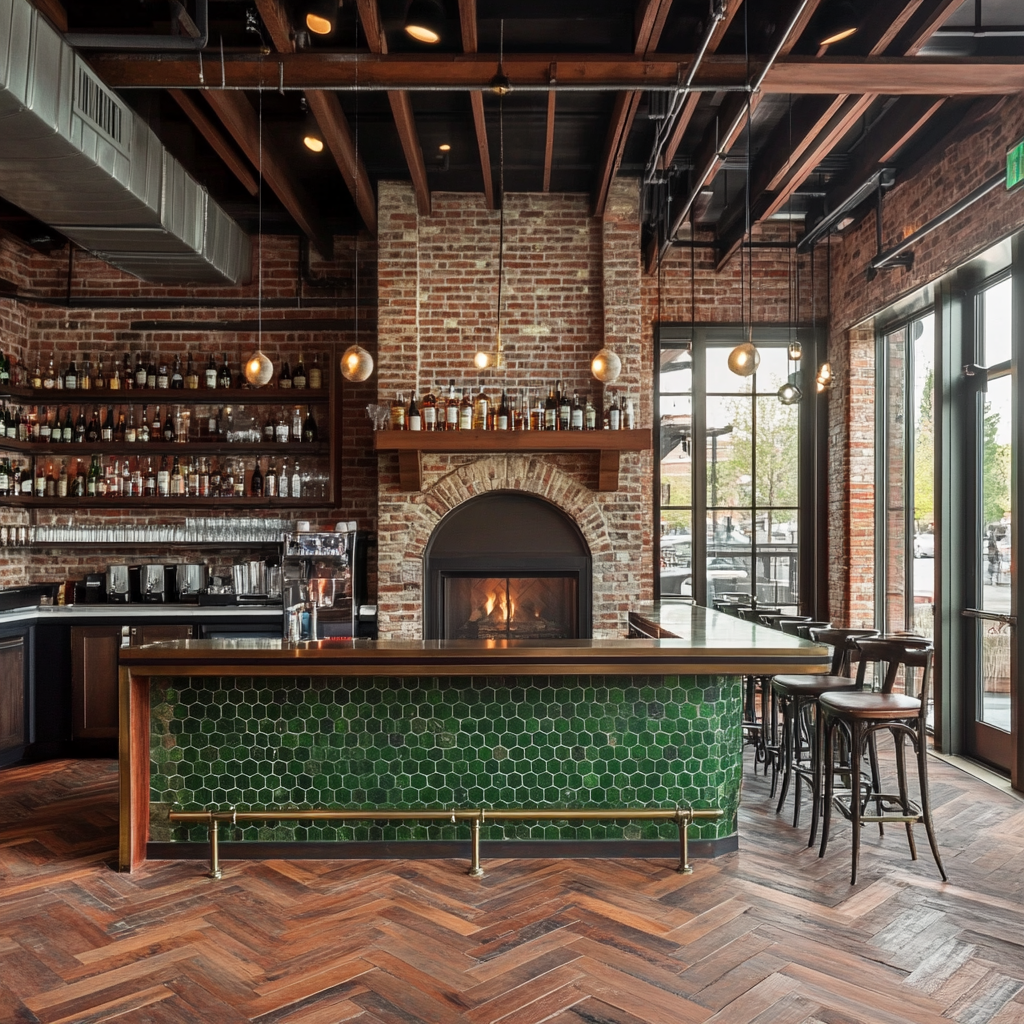
1. The Bar Often Creates the First Impression
In many restaurants, the Bar is one of the first features customers see when they enter.
Before a guest sits at a table or looks at a menu, the bar may already be communicating the restaurant’s personality.
a. Is the atmosphere sophisticated and elegant?
b. Warm and intimate?
c. Modern and energetic?
d. Casual and neighborhood-oriented?
The design of the bar helps answer those questions almost immediately.
Materials, lighting, seating, shelving, architectural details, and even the way bottles and glassware are displayed all contribute to the customer’s first impression.
A thoughtfully designed bar can create a strong visual statement without overwhelming the rest of the restaurant.
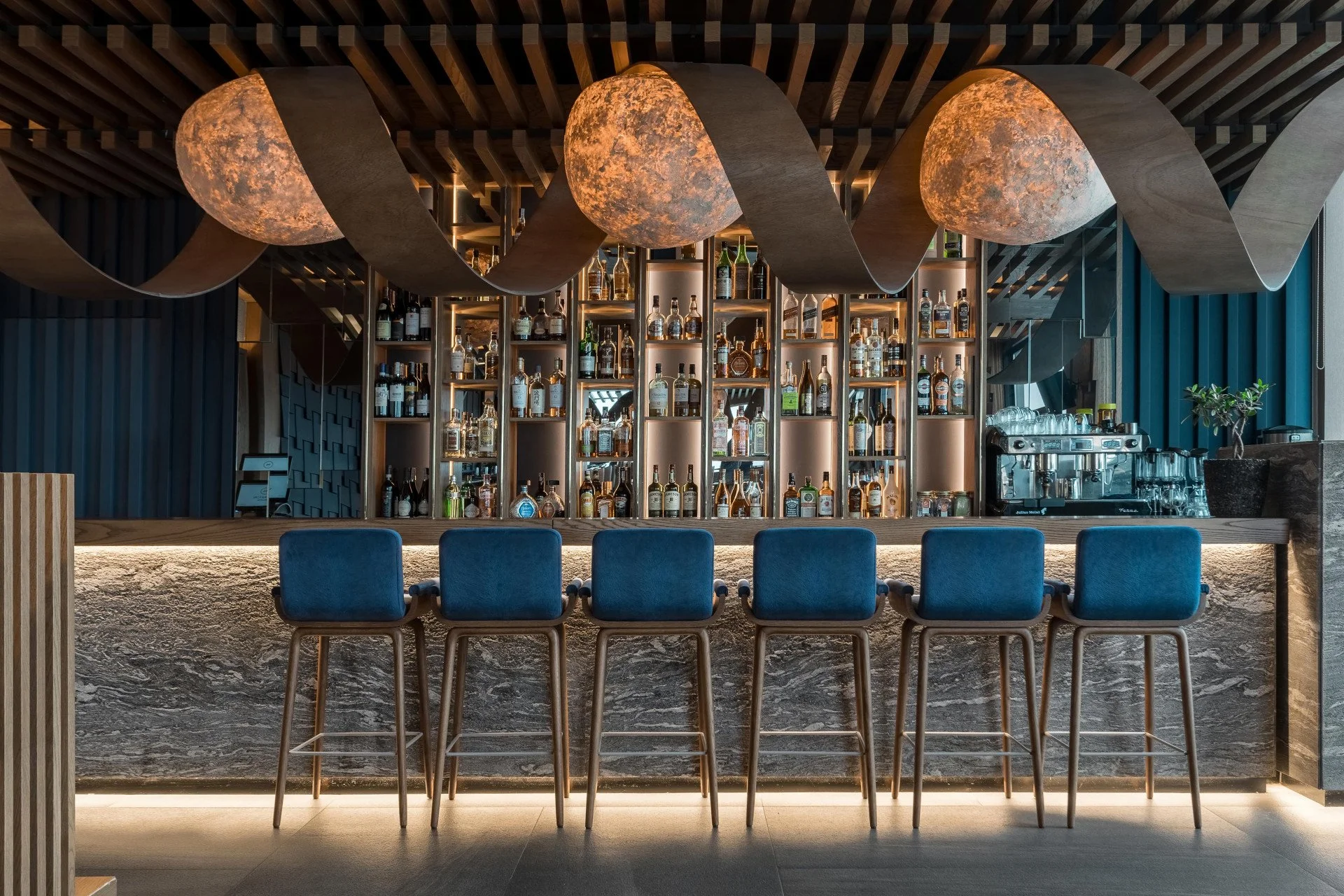
2. The Bar Can Become a Major Revenue-Producing Area
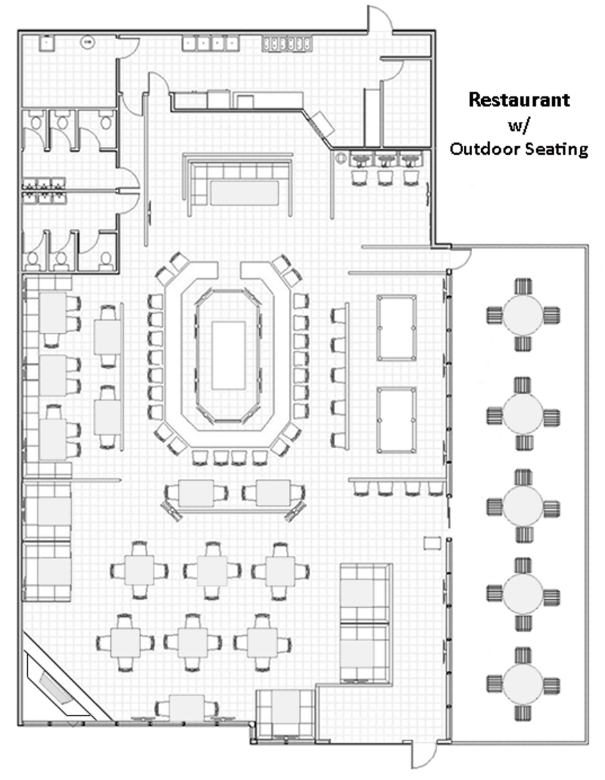
Restaurant square footage is valuable!
Every part of the floor plan should be considered in terms of both customer experience and business performance. A well-planned bar can provide additional seating while serving customers who may not need a traditional dining table.
Bar seating can accommodate:
Couples
Solo diners
Guests waiting for a table
After-work customers
Casual diners
Customers stopping in primarily for beverages
Guests who prefer a more social dining experience
Instead of treating the bar as leftover space, restaurant owners can think of it as an important component of the overall seating and revenue strategy.
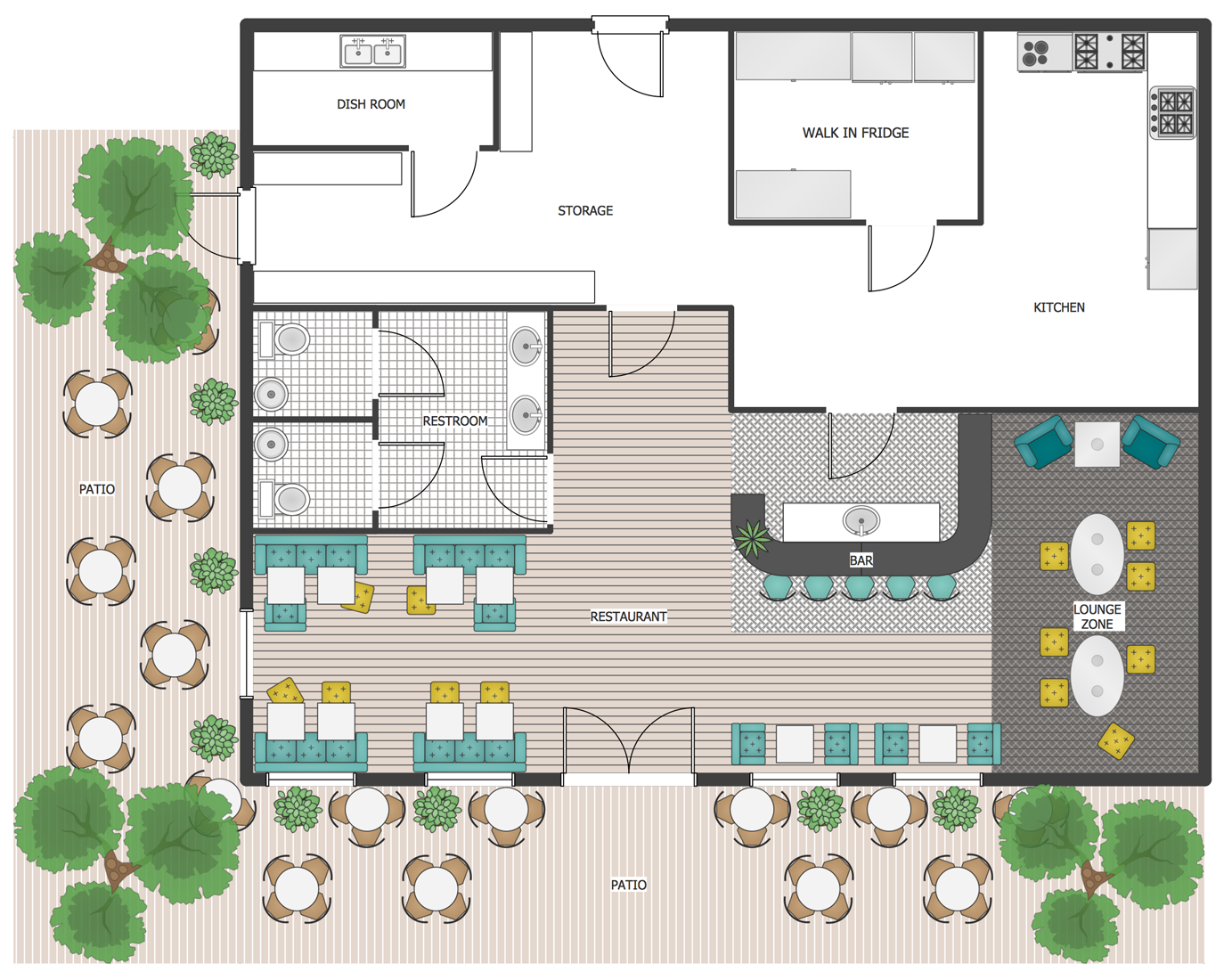
The objective, however, is not simply to add as many stools as possible. Comfortable spacing, circulation, bartender access, ADA considerations, equipment requirements, and customer movement all need to be evaluated together.
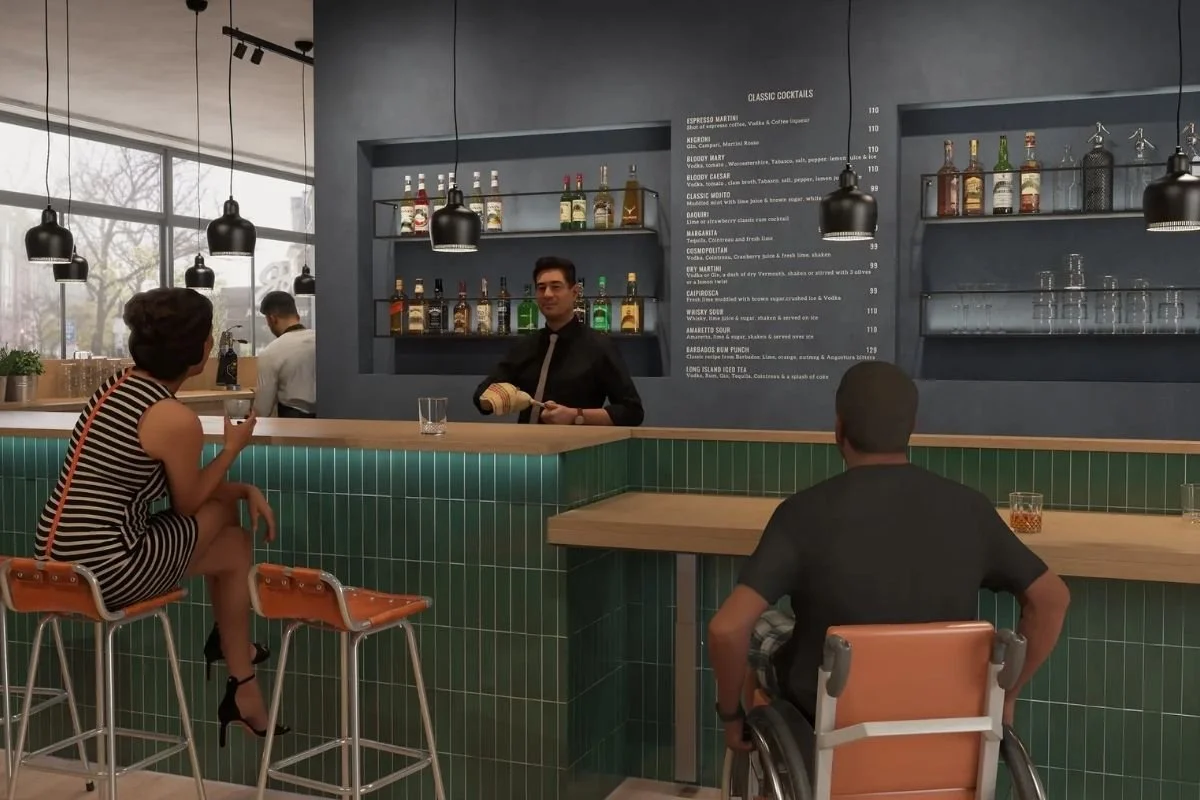
3. A Great Bar Creates Energy
Bars naturally create activity.
Bartenders move, drinks are prepared, customers interact, glassware catches the light, and people gather.
That activity can bring energy to an otherwise quiet dining room.
This is particularly valuable during slower periods when the restaurant may not be completely full.
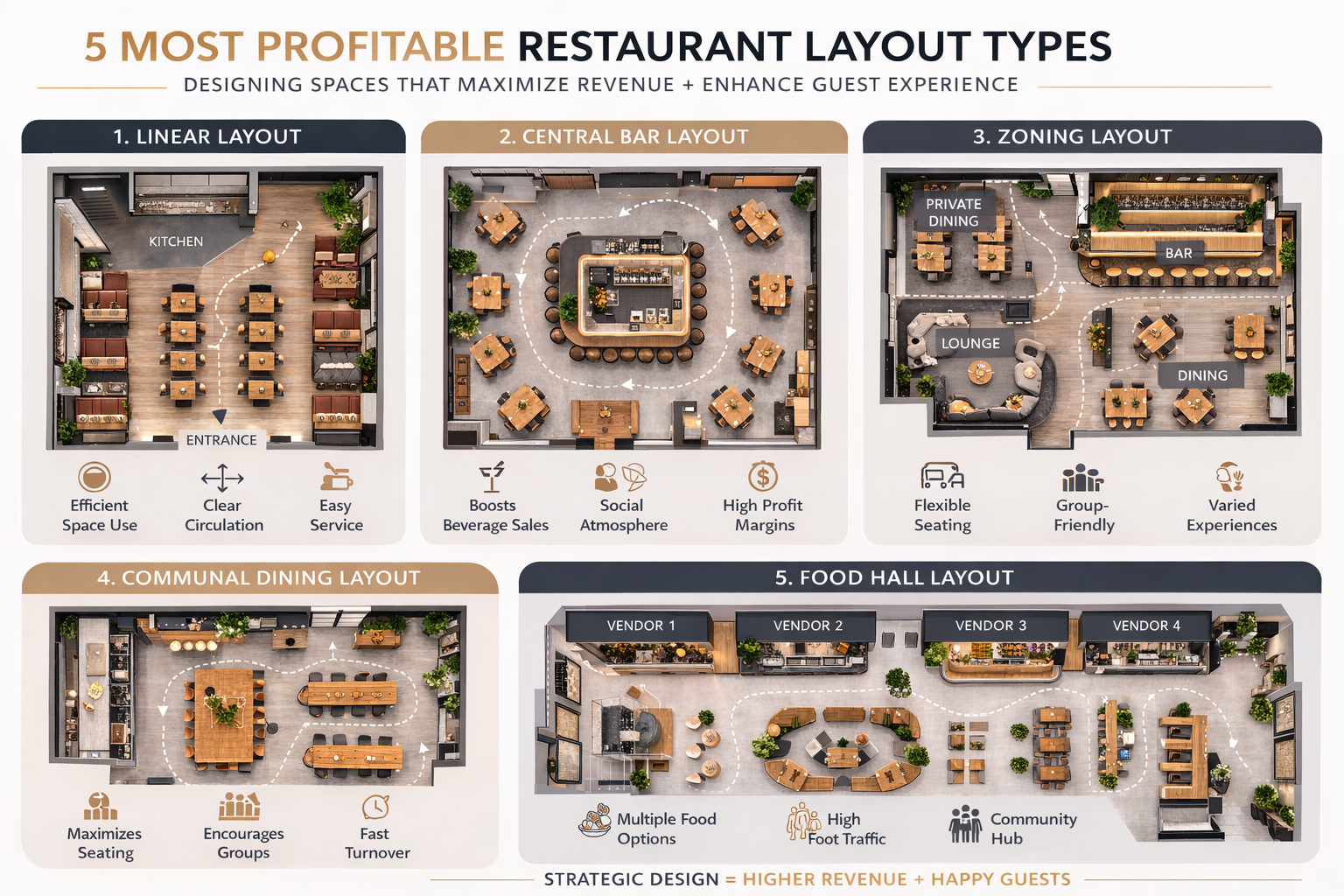
A visually active bar can make the entire restaurant feel livelier; that is why the bar's location within the floor plan matters.
When appropriate, the bar should feel connected to the restaurant rather than isolated from it.
4. The Bar Can Become the Restaurant's Visual Centerpiece
Some of the most memorable hospitality interiors are organized around a dramatic bar.
This does not necessarily require an enormous budget.
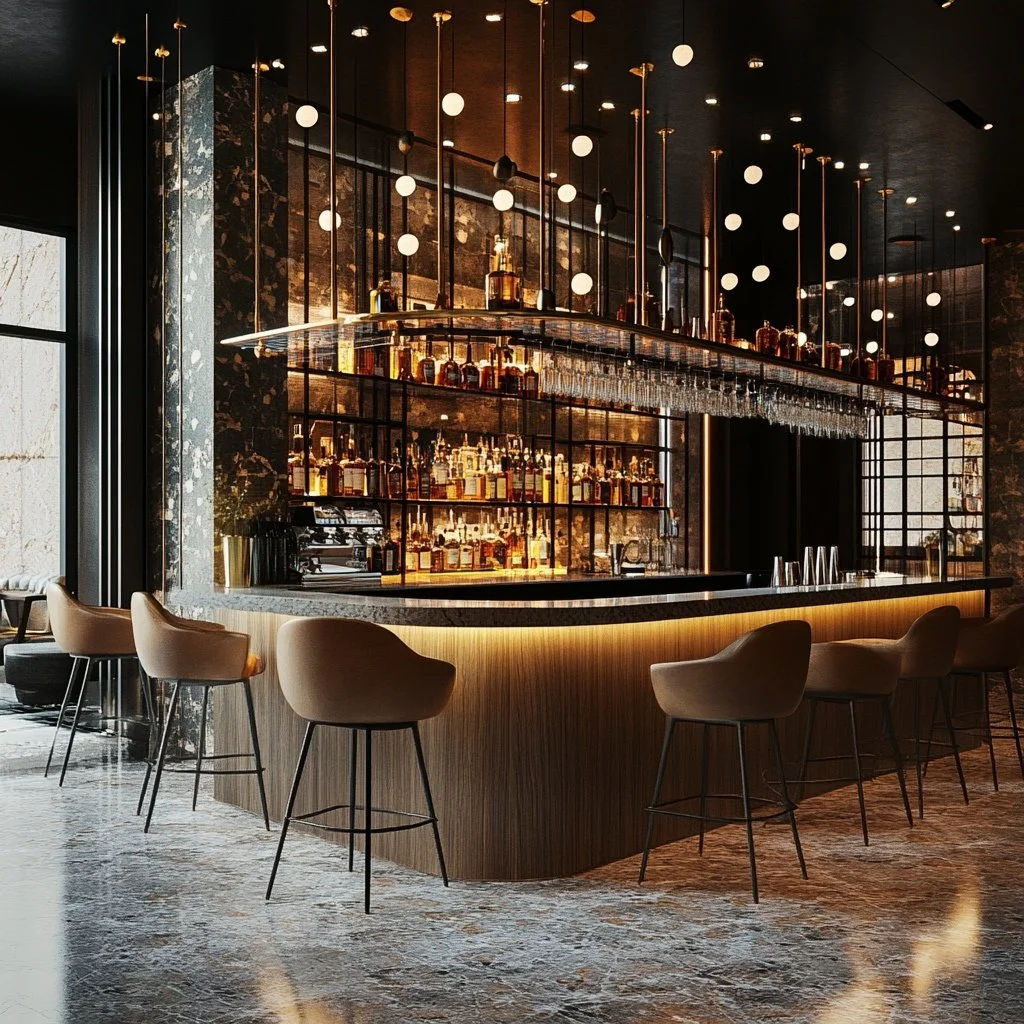
Design impact can come from thoughtful choices such as:
A striking stone countertop
Custom millwork
Decorative shelving
Integrated LED lighting
Mirrors
Metal detailing
Sculptural pendant lighting
Unique bar stools
Textured wall materials
Artwork
An illuminated back-bar display
A relatively simple dining room can sometimes be transformed by investing in one memorable architectural feature.
The bar is often the ideal place to make that investment.
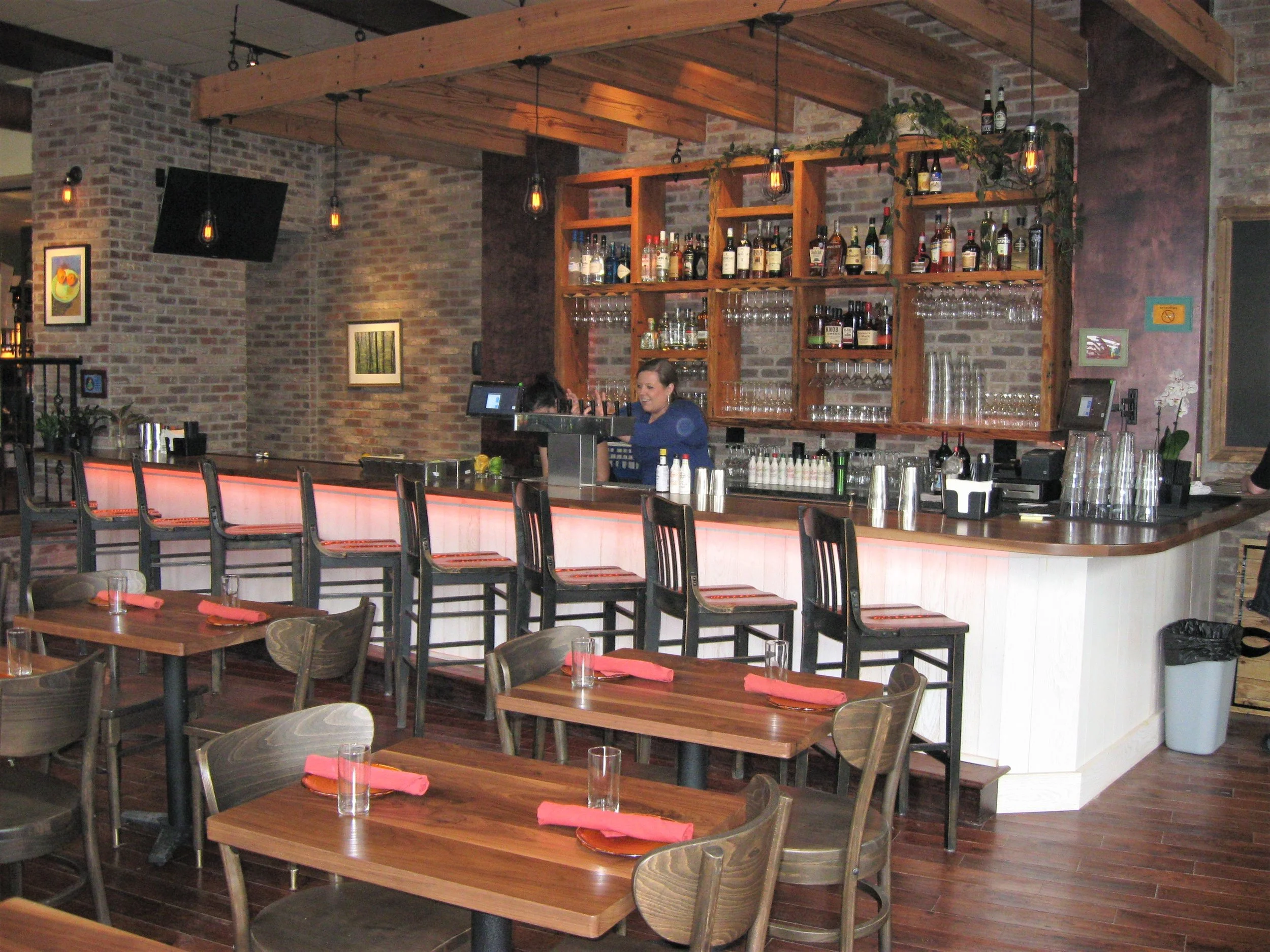
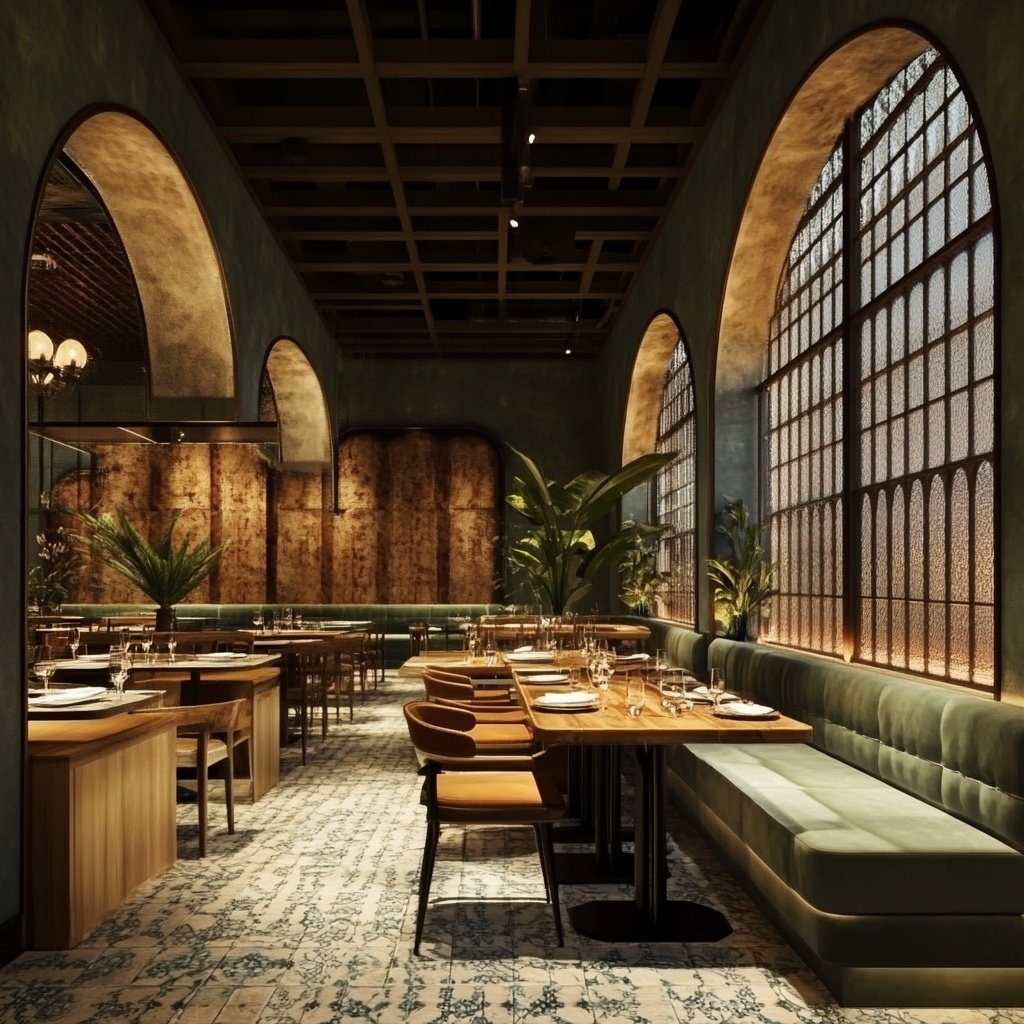
LeBus East Falls Restaurant - Designed by Verden Interior Design Studio
5. Lighting Can Transform the Entire Bar Experience
Lighting is especially important in bar design.
The space needs enough functional illumination for employees while maintaining an atmosphere appropriate for guests.
Layered lighting can include:
Pendant fixtures
Under-counter lighting
Illuminated shelving
Concealed LED lighting
Accent lighting
Decorative wall sconces
Lighting behind bottles or glass
Ceiling lighting
The goal is not simply to make the bar brighter.
The goal is to create depth, warmth, and visual interest.
Good lighting can make materials appear richer, highlight bottles and glassware, and draw the eye toward the bar from across the restaurant.
6. The Back Bar Is Valuable Design Real Estate
The wall behind the bar is often one of the most visible surfaces in a restaurant.
It should not be treated as an afterthought.
This area can incorporate shelving, mirrors, display lighting, wine storage, artwork, signage, branding, or architectural materials.
A carefully designed back bar can dramatically strengthen the restaurant's identity.
It can also help organize bottles, equipment, and supplies so that the functional side of the bar remains visually controlled.
The most successful back bars combine display, storage, branding, and atmosphere.
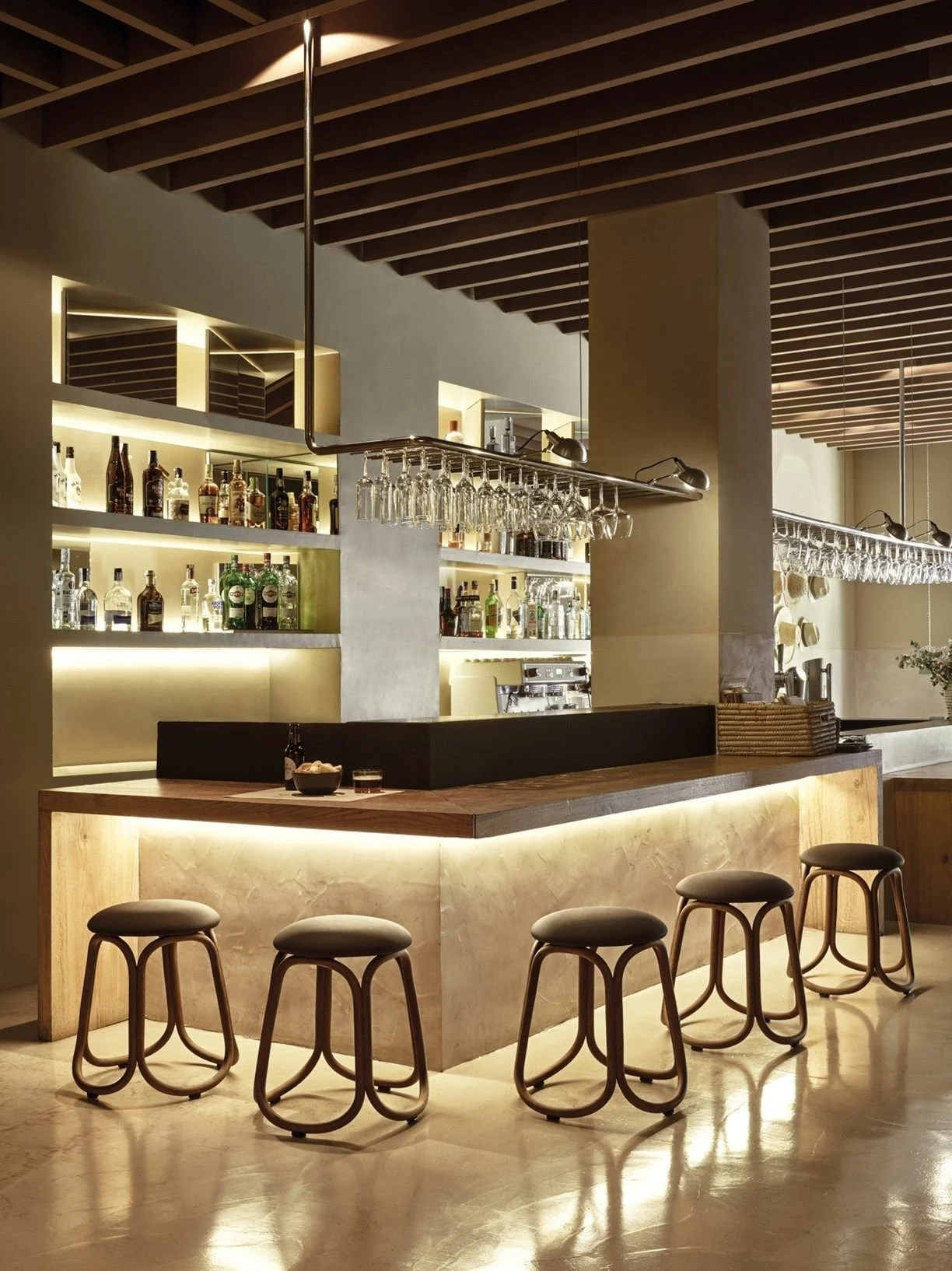
7. The Bar Is a Natural Social Media Moment
Customers photograph restaurant interiors more than ever.
A memorable bar is particularly likely to appear in those photographs because it often combines lighting, color, bottles, architectural materials, and people.
This creates an opportunity for restaurant design to support marketing.
The goal should not be to create a restaurant that feels designed exclusively for social media.
Instead, designers can create authentic visual moments that customers naturally want to photograph and share.
A distinctive bar can become one of those signature images associated with the restaurant.
8. An Existing Bar Can Often Be Updated Without Renovating the Entire Restaurant
For established restaurants, redesigning the bar can sometimes create a dramatic visual change without requiring a complete renovation.
Depending on the existing conditions, a bar refresh might include:
New countertop materials
Updated bar stools
Decorative lighting
New paint or finishes
Refreshed millwork
New shelving
Mirrors
Artwork
Updated back-bar displays
Integrated lighting
New decorative hardware
When budgets are limited, concentrating resources on a highly visible feature can provide a greater visual impact than spreading small improvements throughout the entire restaurant.
The Bar Should Be Designed as Both an Experience and a Business Tool
A restaurant bar has to accomplish many things at once.
It must function efficiently for employees.
It must feel comfortable for customers.
It must support the restaurant's brand.
It must integrate equipment and storage.
And ideally, it should contribute to the financial performance of the restaurant.
That is why successful bar design requires more than selecting attractive finishes.
It requires thoughtful planning.

At Verden Interior Design Studio, we approach restaurant and bar design from both a creative and strategic perspective.
We consider space planning, customer experience, lighting, materials, seating, visual identity, and operational needs together so that the finished environment does more than look attractive—it works for the business.
Whether you are developing a new restaurant, redesigning an existing bar, or looking for ways to refresh your hospitality space without undergoing a complete renovation, thoughtful design can help transform the bar into one of your restaurant's strongest assets.
Planning a new restaurant or considering a bar renovation?
Contact Verden Interior Design Studio to discuss how strategic interior design, space planning, 3D visualization, and material selection can help create a restaurant environment that is both memorable and functional.
Verden Interior Design Studio
Restaurant & Hospitality Design | Space Planning | Interior Design | 3D Visualization | Construction Documentation