
High-End Residential Interior Design Trends in Europe (2026)
1. Warm “Quiet Luxury” Palettes
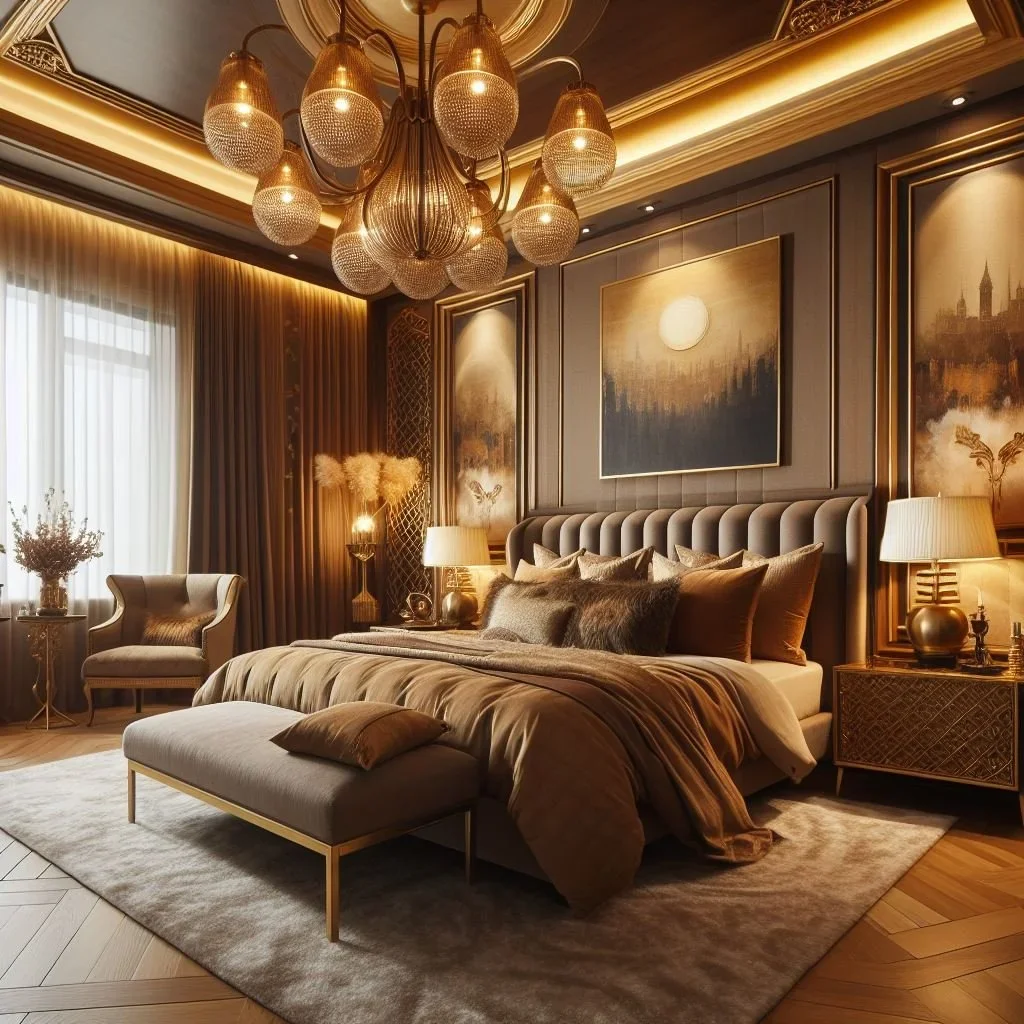
Luxury European interiors are moving away from stark whites and cold grays. Designers are embracing warmer neutrals such as:
cocoa brown
warm beige
soft greige
terracotta
olive green
These palettes create inviting yet sophisticated environments and pair well with natural materials like linen, wood, and stone.
Design tip:
Use tone-on-tone layering (for example, five shades of beige) to create depth without visual clutter.
2. Sculptural Furniture and Curved Forms
Furniture silhouettes in Europe are becoming softer and more architectural.
Common pieces include:
curved sofas
organic coffee tables
rounded lounge chairs
arched cabinetry
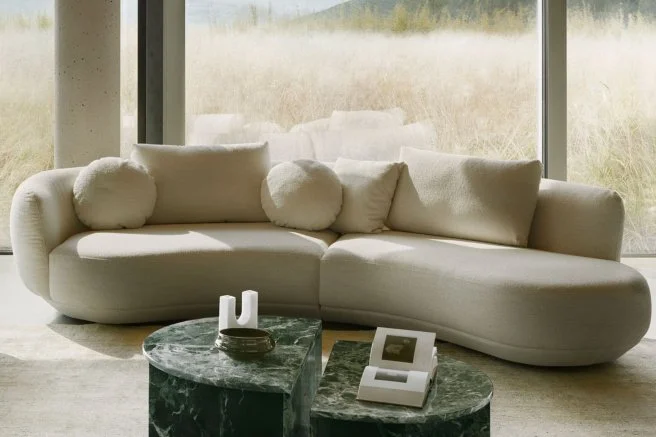
These shapes soften interiors and create a gallery-like aesthetic, turning furniture into functional sculpture.
3. Heritage Craftsmanship and Decorative Textiles
European design houses are reviving traditional textiles and craftsmanship.
Trending materials include:
silk damask
embroidered fabrics
decorative fringe and tassels
painterly plaid textiles
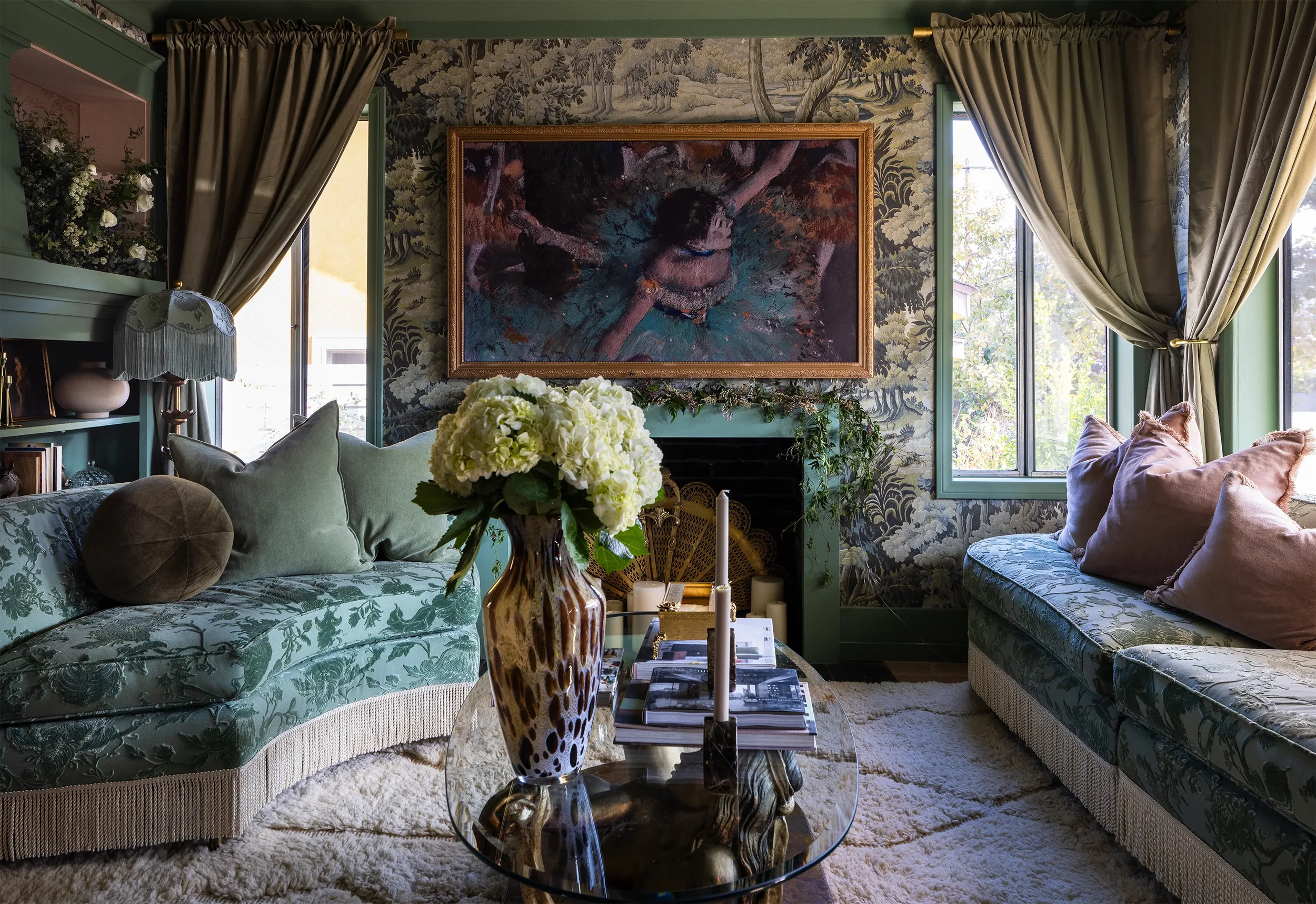
Luxury homes are layering fabrics to create depth, heritage, and texture.
4. Bespoke Custom Interiors
True luxury in 2026 is increasingly defined by customization rather than trends.
High-end homes often feature:
custom millwork
hand-crafted furniture
bespoke lighting fixtures
personalized layouts
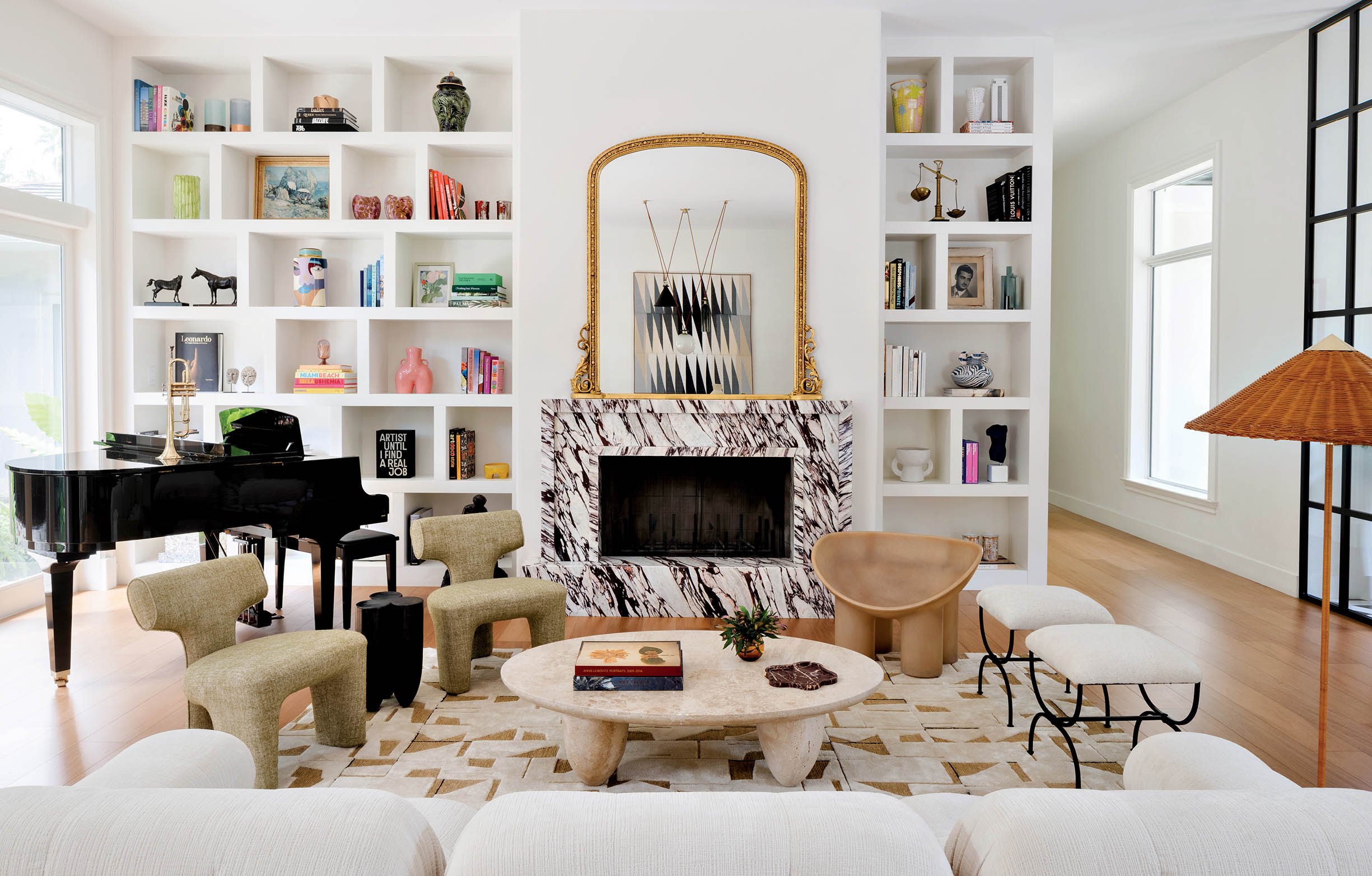
Affluent homeowners want interiors that feel unique and tailored to their lifestyle, not replicated from magazines.
5. Biophilic Design and Natural Materials
Nature continues to influence high-end interiors.
Luxury homes increasingly feature:
large windows and natural light
indoor gardens and greenery
reclaimed wood flooring
natural stone surfaces
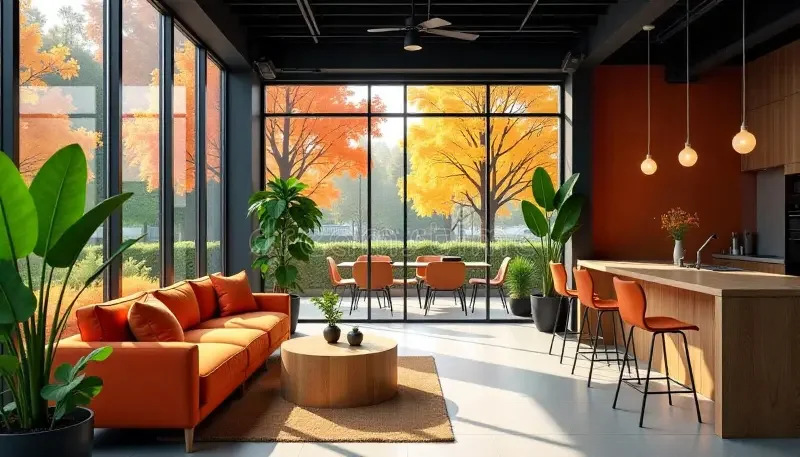
Biophilic design connects interiors with nature, which has become a key wellness feature in luxury homes.
6. “Invisible” Smart Home Technology
Technology is becoming more integrated and less visible.
Examples include:
hidden speakers in walls
recessed motorized shades
automated climate control
integrated lighting systems
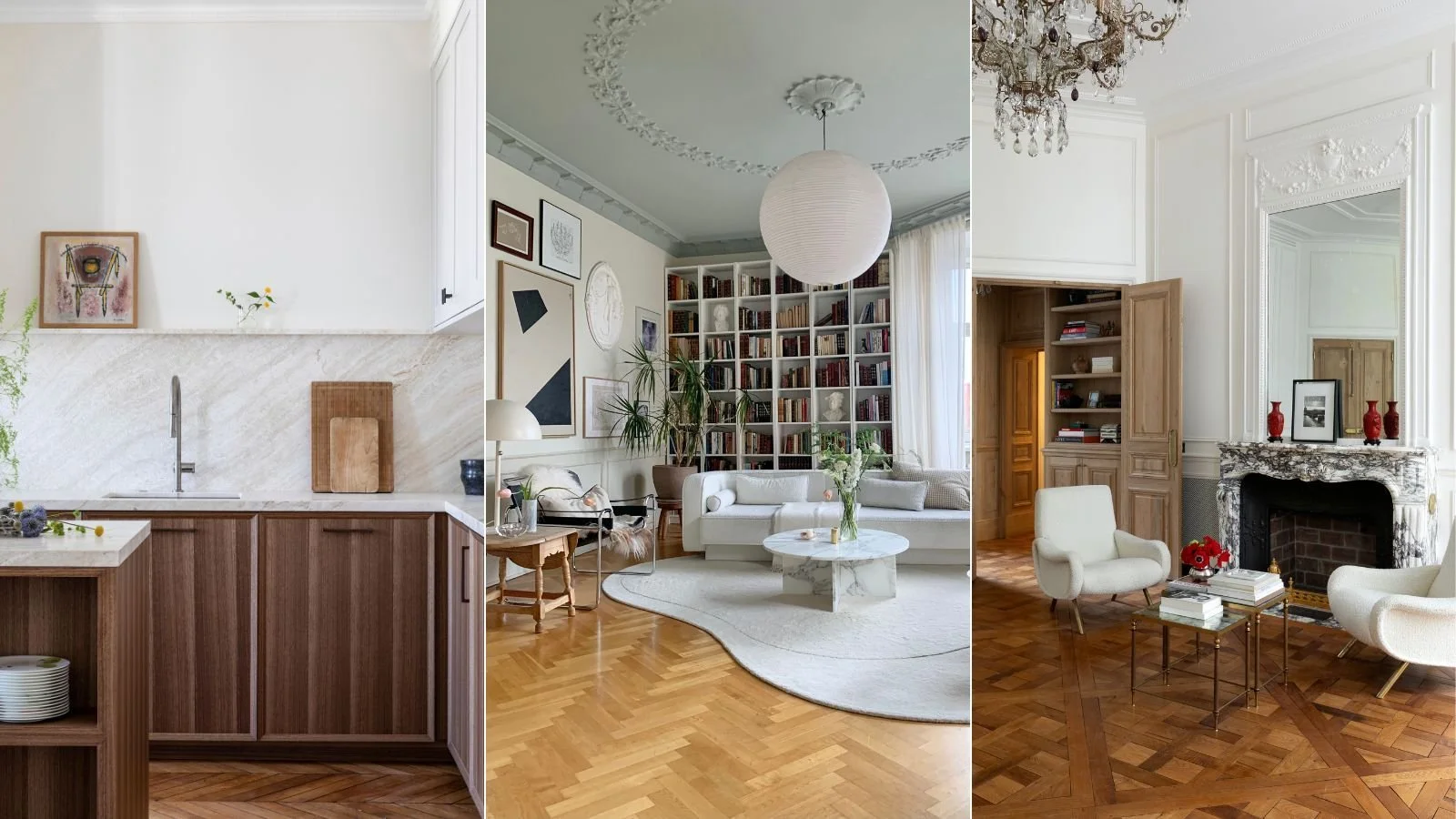
The goal is seamless technology that does not disrupt the design aesthetic.
7. Personal Storytelling Interiors
One of the biggest changes in 2026 is a shift away from generic “Instagram interiors.”
Designers are creating spaces filled with:
collected artwork
antiques
personal objects
mixed cultural influences
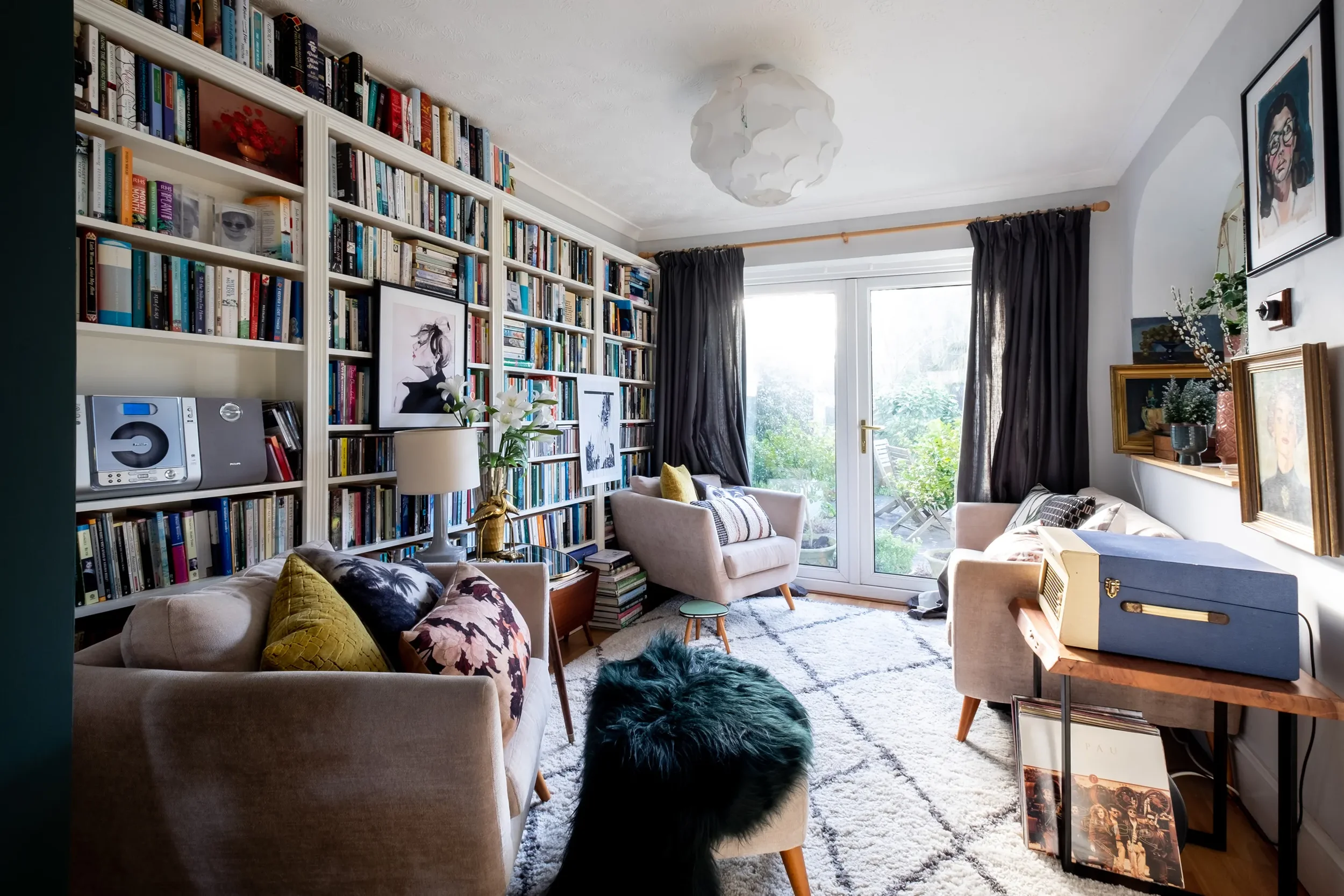
The goal is character and individuality, rather than copy-and-paste design styles.
Key Takeaway: The New European Luxury
The defining characteristics of luxury European interiors in 2026 are:
✔ Warmth instead of sterile minimalism
✔ Personalization instead of trends
✔ Craftsmanship instead of mass production
✔ Texture and layering instead of flat palettes
Design is becoming more emotional, curated, and timeless.